COUNTING THE OMER
By Tim M. Sigler, Ph.D.
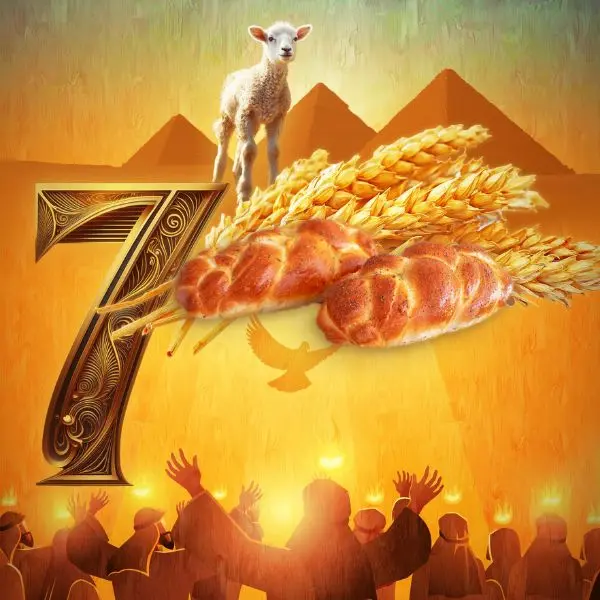
From Passover to Pentecost, observant Jews faithfully count the Omer every evening after nightfall. Where does this tradition originate, and what was its purpose in the Hebrew Bible? Could there also be a Messianic significance to this practice? Dr. Sigler explores these questions and unveils the deeper meaning behind this unique season.
When many Christians hear the words “Day of Pentecost,” their minds often go directly to Acts 2. However, it’s not like there was only one day of Pentecost in the Bible. Pentecost was originally commanded as an annual celebration, known as the Feast of Weeks, around 1400 B.C., when the Israelites entered the Promised Land.
COUNTING THE OMER
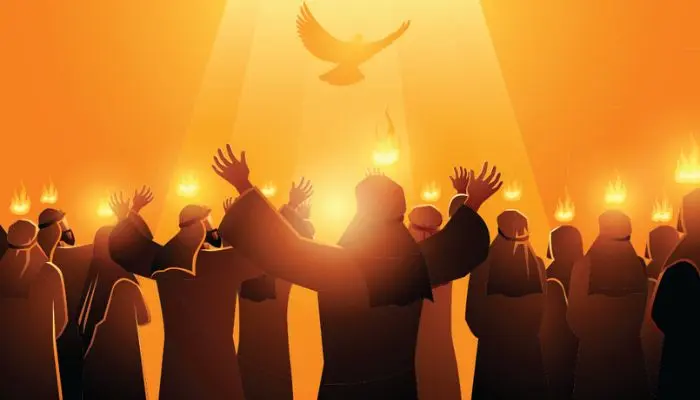
In the first century, Jewish pilgrims from all over the Diaspora traveled to Jerusalem to celebrate this feast (Acts 2:9-11), counting the Omer as they traveled.
Leviticus 23 outlines seven such annually appointed times (mo’edim), four in the spring and three in the fall. Of these seven, three required a pilgrimage to the central sanctuary, later identified as Jerusalem (Deut. 16:16; 2 Sam. 5:6-10; Ezek. 5:5). These pilgrim feasts included the week-long Feast of Unleavened Bread (Hag Hamatzot), which is associated with the Passover (Pesach); the Feast of Weeks (Shavuot), observed seven weeks later; and the Feast of Tabernacles or Booths (Sukkot). The first two occur in the spring, while the last takes place in the fall. In His mercy, God did not require pilgrimages during the heat of summer or in the cold of winter.